Inside ResponseWindow
Step into the role of an emergency management director facing a disaster. Your decisions shape outcomes for thousands of people.
Updated August 2026
What is ResponseWindow?
ResponseWindow is a turn-based disaster response simulation where you lead emergency operations during crises like floods, wildfires, earthquakes, and heat waves.
Unlike action games, ResponseWindow is about strategic thinking under pressure. You'll manage limited resources, coordinate response teams, maintain public trust, and make difficult decisions with incomplete information.
What is decided, and what is written
ResponseWindow's simulation is deterministic. The same state, the same decisions, and the same seed always produce the same casualties, the same cascades, and the same win or loss.
Optional AI writes briefings, headlines, and replay prose after those facts exist. It cannot read hidden state, and it cannot change the engine.
The briefing may be written by a model. The casualties are not.
How It Works
Assess the Situation
Each turn begins with briefings from your agencies and media reports. Understand the evolving crisis before committing resources.
Make Decisions
Choose up to 5 actions per turn from 63 different decisions: deploy rescue teams, restore infrastructure, establish shelters, procure equipment, and more.
Adapt & Overcome
Watch your decisions unfold as disasters evolve. Your ability to adapt determines whether you achieve an exemplary outcome or face failure.
What You Manage
Types of Decisions
With 63 decisions at your disposal, you can respond to any crisis:

Operational
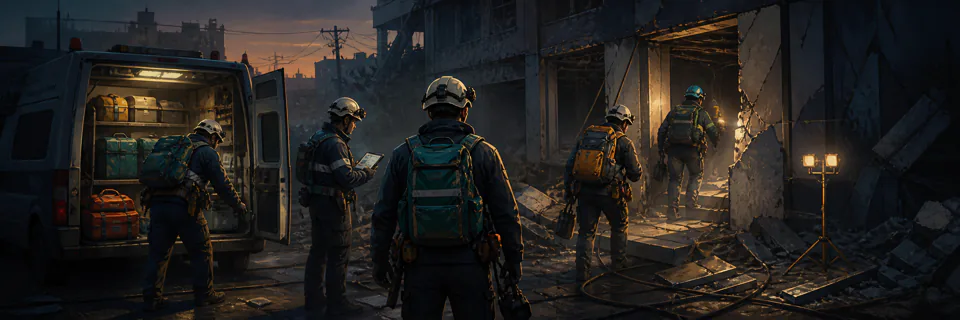
Immediate response: search & rescue, medical teams, aerial and water rescue, pumping operations, and evacuation monitoring.
Infrastructure
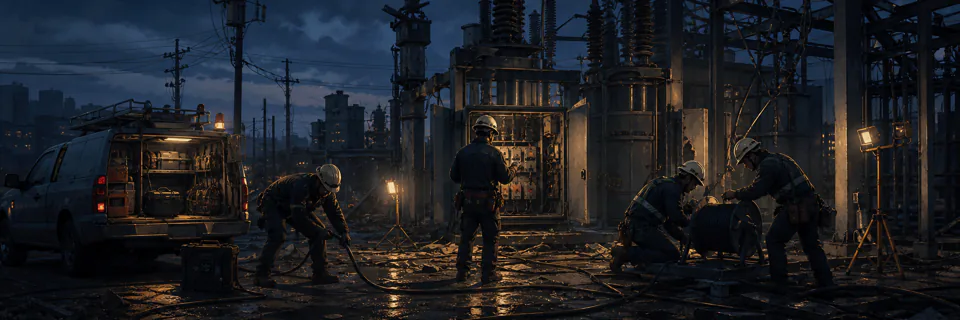
Restore power and water, clear routes, deploy generators, establish communications, and conduct structural assessments.
Strategic
Field hospitals, shelters, supply depots, mutual aid agreements, pre-positioned supplies, and public information campaigns.
Procurement
Acquire vehicles, generators, medical gear, heavy machinery, shelter supplies, communications equipment, aircraft, and boats.
Political
Emergency declarations, federal assistance requests, press conferences, site visits, and media management strategies.
Hazard-Specific
Fire breaks, flood barriers, cooling centers, aerial fire suppression, aftershock monitoring, and hydration teams.
Ready to Lead?
Jump into a full scenario right now — no account needed. Create a free account when you want to save progress and tackle every scenario.